Here we are, June 4th, again. The first thing to say, to Chinese readers, is that we will not forget those who died on the night of June 3rd, 1989 … and nor do we apologise for keep bringing it up. On Danwei I’ve written a piece comparing the class of ’89 with the class of 2010 in Peking University, if you’re curious – but that’s not the meat of this post.
This is an essay I wrote for my Chinese language school in Beijing, IUP, as my end-of-term exam. My teacher and I had been looking at Chen Duxiu‘s essays in the early [20th] century magazine New Youth. Here I look at one essay in particular, in which Chen appeals to China’s youth to stand up, and tie it briefly to both the May 4th movement and 1989 demonstrations. I thought I’d publish it here – feel free to pick holes in my Chinese!
•
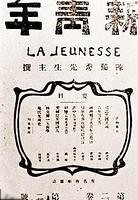
1915å¹´9月15日在《新é’年》æ‚志创刊è¯ï¼Œé™ˆç‹¬ç§€å†™é“:
“é’年如åˆæ˜¥ï¼Œå¦‚æœæ—¥ï¼Œå¦‚百å‰ä¹‹èŒåŠ¨ï¼Œå¦‚利刃之新å‘于硎,人生最å¯è´µä¹‹æ—¶æœŸä¹Ÿã€‚â€
陈先生,ä¸æ•¢å½“。我尽é‡ç惜这个å®è´µçš„时期,è¶æˆ‘刀这么尖é”的时候æ¥åˆ†æžåˆ†æžæ‚¨æ‰€å†™çš„内容,è¶æˆ‘æœæ—¥è¿™ä¹ˆæ˜Žäº®çš„时候æ¥äº†è§£æ‚¨æ‰€è®²çš„æ„义。
首先,我错了:当年该æ‚志还称为《é’å¹´æ‚志》,1916年由于跟其他æ‚å¿—åŒå改为《新é’年》。但愿改å˜é’年的本质象改å˜æ‚å¿—çš„åå—那么简å•ã€‚陈独秀所追求的ç†æƒ³æ°æ°æ˜¯è¿™æ ·çš„一个新时代的年轻人 ï¼ ä¸€ä¸ªæ„¿æ„å¥‹æ–—å’Œæ‰“ç ´æ—§æ€æƒ³çš„æ—¶ä»£ã€‚åœ¨ä¸Šè¿°çš„åˆ›åˆŠæ–‡ç« ã€Šè¦å‘Šé’年》里,他把å对å”æ•™ã€ç¤¼æ³•ã€è´žèŠ‚ã€ç”šè‡³å›½ç²¹çš„é’年比喻为“新鲜活泼细胞之在人身â€ï¼ŒæŠŠæ”¯æŒæ—§ä¼¦ç†ã€æ—§æ”¿æ²»çš„è€å¹´äººæ¯”喻为è…烂细胞。 在社会所谓的“新陈代谢â€é‡Œï¼Œä»–接ç€è¯´ï¼Œè¿™äº›â€œé™ˆè…æœ½è´¥è€…æ— æ—¶ä¸åœ¨å¤©ç„¶æ·˜æ±°ä¹‹é€”,与新鲜活泼者以空间之ä½ç½®åŠæ—¶é—´ä¹‹ç”Ÿå‘½ã€‚â€ç„¶è€Œè¿™ä¸ªâ€œå¤©ç„¶â€çš„过程好åƒä¹Ÿè¦å¤šå°‘人工的帮助:陈先生呼åé’å¹´æ¥â€œåŠ›æŽ’陈è…朽败者以去â€ã€‚如果他们“利刃æ–é“,快刀ç†éº»ï¼Œå†³ä¸ä½œç‰µå°±ä¾è¿ä¹‹æƒ³ï¼Œâ€é‚£ä¹ˆâ€œç¤¾ä¼šåº¶å‡ 其有清å®ä¹‹æ—¥ä¹Ÿâ€ã€‚
这个清å®çš„æ—¥å到底到了没有?
1919å¹´5月4å·ä¸€äº›å¤§å¦ç”Ÿï¼ˆåŒ—大å¦ç”Ÿå¸¦äº†å¤´ï¼‰é›†åˆåœ¨å¤©å®‰é—¨å¹¿åœºä¸Šã€‚åŽŸå› åœ¨äºŽä¸å›½æ”¿åºœå¯¹å‡¡å°”赛和约的软弱å应,结果当时的政府失去了所有的信用。这一天就是五四è¿åŠ¨çš„高潮,而ä¸å¤±ä¸ºå¯¹çŽ°ä»£ä¸å›½æœ‰æ·±åˆ»å½±å“的一天 ï¼ ä¸å›½çš„é’年站起æ¥äº†ã€‚通过三å年的混乱和内战,陈独秀所力求的清å®æ—¥åå¯èƒ½åˆ°æ¥äº†ï¼š1949å¹´10月1å·ã€‚但是陈先生享å—ä¸äº†è¿™ä¸€å¤©ï¼Œå› 为首先他1942年去世了,其次他1929和他以å‰å¼ºçƒˆæ”¯æŒçš„公产党分é“扬镳(从《告全党åŒå¿—书》 è¿™ç¯‡æ–‡ç« å¯ä»¥çœ‹å‡ºæ¥ä»–çš„ä¸æ»¡ï¼‰ã€‚
å‡å¦‚陈先生1949年还活ç€ï¼Œæˆ‘认为他ä¾æ—§ä¸ä¼šç›¸ä¿¡è¿™ä¸€å¤©åˆ°äº†ã€‚å› ä¸ºåœ¨ã€Šè¦å‘Šé’年》里他抱ç€é¢‡æ‚²è§‚çš„æ€åº¦ï¼šè™½ç„¶è¿™äº›é’年看起æ¥å¾ˆå¼ºï¼Œä½†æ˜¯â€œåŠå©å…¶å¤´è„‘ä¸æ‰€æ¶‰æƒ³ï¼Œæ‰€æ€€æŠ±ï¼Œæ— 一ä¸ä¸Žå½¼é™ˆè…朽败者为一丘之貉â€ã€‚更有甚者,他对自己的寻找, 自己的呼å,没有自信: “求些少之新鲜活泼者,以慰å¾äººçª’æ¯ä¹‹ç»æœ›ï¼Œäº¦æ³ä¸å¯å¾—â€ã€‚然而ä¸ä»…仅是1919年的事情è¯æ˜Žä»–错了。。。。。。
1989å¹´5月4å·ä¸€äº›å¤§å¦ç”Ÿï¼ˆåŒ—大å¦ç”Ÿåˆå¸¦äº†å¤´ï¼‰åˆé›†åˆåœ¨å¤©å®‰é—¨å¹¿åœºä¸Šã€‚这次是为了纪念胡耀邦,而迅速å˜æˆå¤§è§„模的政治è¿åŠ¨äº†ï¼Œç»“æžœæ®ä¿å®ˆç»Ÿè®¡äºŒç™¾å¤šä½å¦ç”Ÿå…月三å·æ™šä¸Šè¢«æ€æ»äº†ã€‚这些年轻人象七å年之å‰çš„ä¸€æ ·éƒ½å对“充塞社会之空气â€çš„分å,但是差异是ç¨å¾®çŸ›ç›¾çš„:这次他们å对的人åå是以å‰å对旧æ€æƒ³çš„共产党。
陈独秀å‘读者问:“å¾å›½ä¹‹ç¤¾ä¼šï¼Œå…¶éš†ç››è€¶ï¼ŸæŠ‘将亡耶?â€ä»–çš„æ„è§å¥½åƒæ˜¯åŽè€…。我å‘读者说:别ç†ä»–。虽然ä¸å›½å³ä½¿åˆ°å½“下也有许多毛病,但是没有一个毛病算是ç»ç—‡ã€‚为了“救æ¤ç—…â€ï¼Œé™ˆå…ˆç”ŸæŽ¥ç€å†™ï¼Œç¤¾ä¼šåªè¦â€œä¸€äºŒæ•äºŽè‡ªè§‰ï¼Œæ•¢äºŽå¥‹æ–—之é’å¹´â€ã€‚他所说的“病â€ä¸æ˜¯çŽ°ä»£ç¤¾ä¼šçš„病,但是疗救的è¯æ–¹è¿˜æ˜¯ä¸€æ ·çš„:新é’年。
•
On September 15th, 1915, in the opening essay of New Youth magazine, Chen Duxiu writes:
“Youth are like the early spring, like the morning sun, like the blooming grass, like the sharp blade fresh off the grinding stone; youth is the most valuable time of life.”
Mr Chen, you’re too kind. I’ll do my best to treasure this valuable time – to use the opportunity when my blade is at its sharpest, when my sun is at its brightest, to analyse and shed light on what you write.
First off, I was wrong: in 1915 the magazine was still called Youth. It changed its name to New Youth in 1916, due to another magazine having the same name. If only changing the nature of youth was as easy as changing a magazine name. For what Chen Duxiu was striving for was precisely a new generation of young people – a generation willing to struggle and break down the old modes of thought. In the essay I mention above, ‘Advice [literally warning] for youth,’ Chen’s metaphor for the youth who oppose Confucian teachings, concepts of ritual, chastity, even the very ‘essence of China’, is “fresh, vigourous cells inside the human body”, and he compares old people who support the old theories and politics to rotten cells.
In this so-called ‘metabolism’ of society, he continues, these “rotten, corrupted cells at all times, by the process of natural selection, give space to stand and time to live in to the fresh, vigourous cells”. However this “natural” process, it seems, still needs a little human help: Chen appeals to the youth to “vigourously drive out those rotten, corrupted cells”. If “their blade is sharp enough to cut iron and hemp, [and they] don’t follow other’s lead or hesitate in thought”, then “maybe society will arrive at a peaceful day”.
Did society arrive at this peaceful day after all?
On May 4th, 1919, students (led by Beida students) gathered on Tiananmen square. The reason: the Chinese government’s weak reaction to the Versailles treaty. The result: the government of the time lost all credibility. That day was the ‘high tide’ of the May Fourth movement, a day with a deep impact on China – China’s youth had stood up. Thirty years of chaos and civil war later, the day Chen Duxiu strove for had (maybe) arrived: 1st October, 1949. But Chen couldn’t enjoy that day: for one, he died in 1942, but he had also split paths in 1929 with the Communist Party he formerly supported so strongly (we can see his discontent in this essay).
Supposing Mr Chen was still alive in 1949, I think he still wouldn’t have believed the day he sought had arrived. Because his attitude in ‘Advice to youth’ was rather pessimistic: even if the youth seem to be strong, if you “knock on their heads to see what they think and believe in, there’s not one who isn’t of the same ilk as those rotten, corrupted cells”. Even more so, he had no belief in his own search, his own appeal: “to find a few fresh, vigourous cells, to ease the blocked airway of my despair, is so distant [a prospect] as to be unnattainable”. However it wasn’t just the events of 1919 that proved him wrong …
On May 4th, 1989, students (once more led by Beida students) again gathered on Tiananmen square. This time, the reason was to commemorate Hu Yaobang, but it swiftly turned into a large-scale political movement. The result: according to conservative estimates, more than two hundred students were killed on the night of June 3rd. These young people, just like those of seventy years ago, were opposing the ‘elements’ that were “blocking the airway of society”, but the difference is rather paradoxical: this time, they were opposing the very Communist Party who before had opposed old modes of thought.
Chen Duxiu asks the reader: “The society of my country, will it prosper? Or is it doomed?” His opinion seems to be the latter. I say to the reader: don’t mind him. Although China, even today, still has many problems, none of them are incurable. To “cure this disease”, Chen writes, society must have “one or two youths sensitive enough to realise their potential, and brave enough to struggle”. The “disease” he talks of isn’t the disease of today’s society, but the prescription is just the same: new youth.*
___
* It’s rather weird, and bloody awkward, to translate something you’ve written yourself into your mother tongue. I’ve taken liberties, but hope the original author won’t mind.